
A Food Lover's Guide to Bird's Nest Soup: History, Taste and Tradition
Few dishes carry as much mystique as bird’s nest soup. The dish appears at wedding banquets and festival tables, is priced like a luxury, and comes with a long run of stories about emperors, sailors, and caves. Behind the legend is a very simple food, a delicate, lightly sweet dessert soup with a texture unlike anything else on the menu.
What is edible bird’s nest?
The edible nest is not made of twigs or mud. Swiftlets, small birds that nest in caves and in purpose-built houses across Southeast Asia, build it from strands of their own solidified saliva, which dry into a pale, translucent cup. Dried nests are sold as whole cups or shaped pieces, and the price rises with the size, color, and cleanliness of the strands. Once harvested, the nest is cleaned of feathers and impurities by hand and sold dried.
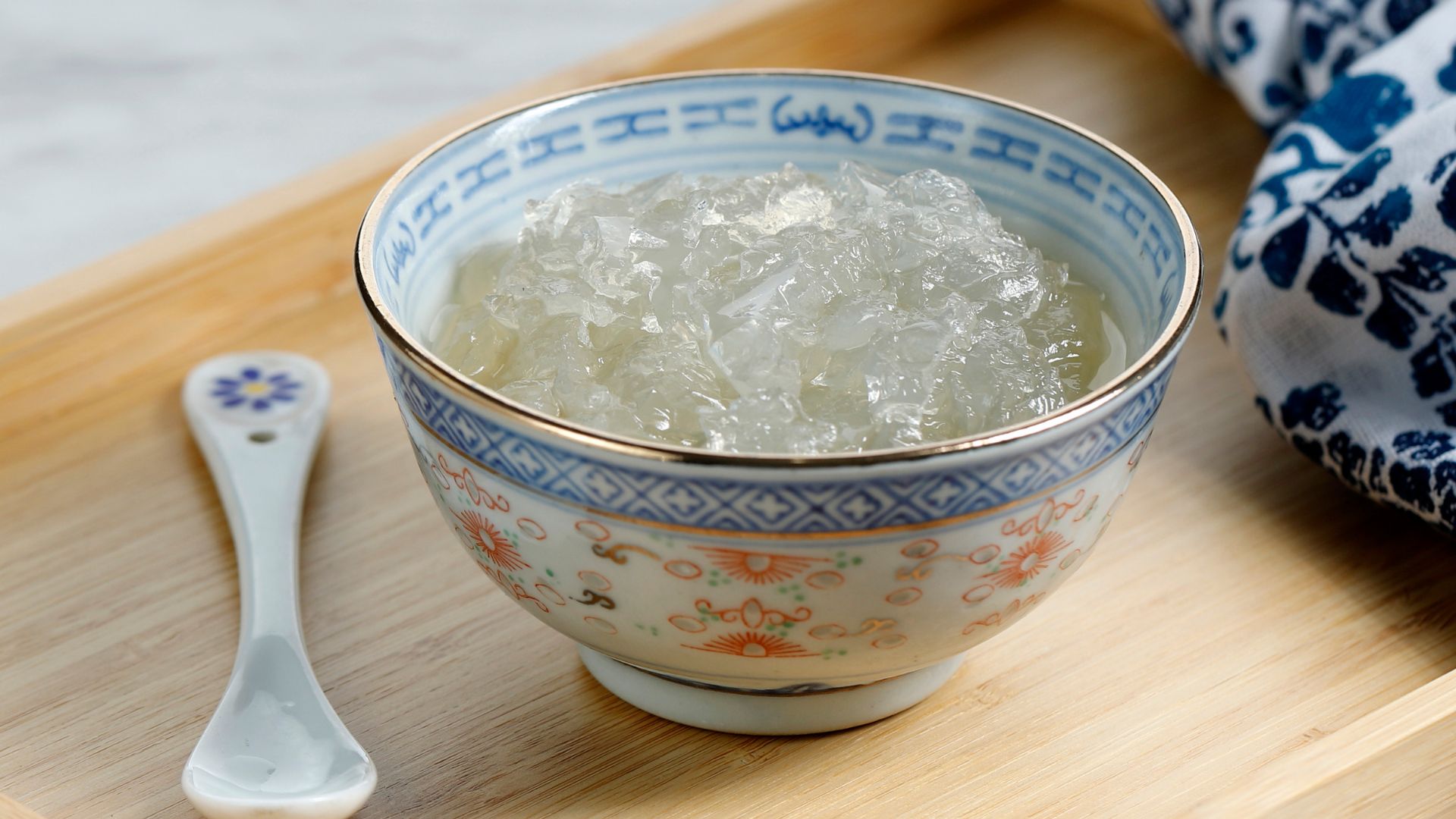
Soaked in water, the strands soften into a gentle, jelly-like texture with very little flavor of their own, which is why the soup relies on its liquid, usually water sweetened with rock sugar. Golden Nest, a US company founded in 1996, sells edible bird’s nest in raw form in several grades and colors as well as in ready-to-drink bottles and ready-to-eat soups, which suits cooks who want the taste without the preparation.
What do people know about edible bird’s nest?
A South China Morning Post feature on edible bird’s nest describes the nests as interwoven strands of saliva secreted by swiftlets. The feature says Southeast Asia is the main producer, with Indonesia the biggest, exporting more by weight than Malaysia, Thailand and the Philippines combined.
The writer says the main consumers are Chinese people, including the diaspora, who prize the product for its nutritive properties, and describes the evidence for its supposed benefits as anecdotal. The same piece takes on the popular legend that the Ming dynasty mariner Zheng He introduced bird’s nest to China, arguing that evidence suggests he was beaten to it.
Readers should keep that in mind when they meet the many articles that repeat the legend as fact. Food histories are full of tidy stories, and the fuller account is usually messier, with trade routes, and cooks and merchants all playing a part over a long period.
A history of tradition
Most popular accounts date the dish to the Ming dynasty, between 1368 and 1644, and many place Zheng He at the center. In the common telling, a storm drove his fleet to a rocky island, sailors found nests on the cliffs, cooked them and felt revived, and the emperor received them as a gift. The story is a good one, but it is disputed.
What is clear is that nests became a prized trade good within the wider exchange between China and the Southeast Asian islands, and that the soup became associated with banquets, gifts and the imperial court. Later centuries brought grading systems and a lively trade through Southeast Asian ports, and as Chinese communities settled around the world, the dish travelled with them.
At weddings, the soup is often served so that the couple begins their life together with something delicate and auspicious, and at Lunar New Year or the Mid-Autumn Festival families give nests as gifts to elders. The gesture says that the giver values the recipient, and the price is part of the message. Today the dish sits comfortably between heritage and luxury. People order it at celebrations because it marks an occasion, and families keep recipes that pass from one generation to the next.
Taste, texture, and how it is served
Expect subtlety. The soup is faintly sweet, clear and light, and the nest itself has a soft, slightly slippery bite, closer to fine noodles or agar than to anything meaty. Texture is the real draw, and some diners compare it to lightly cooked glass noodles while others notice how the broth clings to the spoon, with the experience shifting by grade of nest. The interest is in the texture and in the contrast with a warm, delicately flavored liquid.
The classic version is a dessert soup sweetened with rock sugar. Some cooks add a little warm milk, ginger, or fruit, and some pair it with red dates or goji berries, which add color and a gentle sweetness. Savoury versions exist, built on a clear chicken stock, though they are less common.
Serve it warm, in small bowls, and eat it slowly. Serve it at the end of a meal or on a quiet afternoon, and do not rush it.
Preparing it at home
Raw nests need patience. Soak them in clean water until the strands soften and separate, which can take several hours, then pick out any remaining feathers or fragments with tweezers under a good light. Rinse well, and drain. The soaking can be done the night before, with the nest kept in the refrigerator until needed, and the sweetness should stay light so the delicate texture shows. Keep a spoon of the cooking liquid aside to adjust the final taste.
Cook gently, since high heat breaks the strands down. Many cooks steam the nest in a covered bowl or simmer it for a short time in water with rock sugar, stopping while the strands still hold their shape. Ready-made drinks and soups skip these steps and are handy for beginners.
Store dried nests in a cool, dry place in an airtight container, and keep prepared nests in the refrigerator and eat it within a day or two.
Buying well and thinking about sourcing
Price varies widely with grade, color, and origin, and a bargain should prompt questions. Look for a clear label that states the product, the ingredients, the importer and the production details, and buy from sellers who explain how nests are cleaned and inspected and who can provide import and inspection details, which show that the product has passed the checks required where you live. In some countries, imports are regulated, so check that the product is sold through proper channels.
Sourcing deserves thought as well. Nests come from both caves and purpose-built swiftlet houses, and views differ on how harvesting affects the birds and their habitats. Ask suppliers how they source their product, and treat any health claims with the same care you would give any traditional food. Enjoy it for its taste and tradition, and ask a doctor if you have allergies or a medical condition. Keep receipts and batch information in case a product needs to be checked.